 |
|||||||||||||||||||
- Open acces -
|
|||||||||||||||||||
|
|||||||||||||||||||
|
|||||||||||||||||||
|
|||||||||||||||||||
|
|||||||||||||||||||
|
|||||||||||||||||||
 |
|
|
|
||||||||||||||||


RELATIONSHIP BETWEEN
ORGANIZATIONAL CULTURE
AND CULTURAL INTELLIGENCE
Agnes BALOGH,
University of Pannonia Egyetem u 10., Veszprém, Hungary e-mail: gigi@gtk.uni-pannon.hu Zoltán GAÁL, University of Pannonia Veszprém, Hungary Lajos SZABÓ, University of Pannonia Veszprém, Hungary
Abstract. This article examines one
of the key competences of the 21st
century, cultural intelligence. In our
empirical research studies, we
examined the cultural intelligence
of full-time university students. We
identified the corporate culture they
would like to work in, and also
examined if there is a correlation
between their cultural intelligence
and their preference for a
particular corporate culture. We
found that the majority of student
would prefer to be employed in a
Clan-type corporate culture. We
also identified a correlation
between their preferred corporate
cultural and their cultural
intelligence and its components.
Students with a high degree of
cultural intelligence would like to
work in an adhocracy.
Keyword: Cameron and Quinn,
CQS, cultural intelligence,
Hungarian university student,
OCAI, organizational culture.
|
|||||||||
 |
||||
 |
Conferences
 2012.10.12-13 [ archives ]
Publications
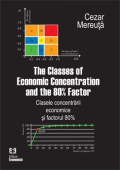
The Classes of Economic Concentration and the 80% Factor , Cezar Mereuță
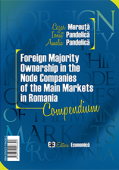
 Foreign Majority Ownership in the Node Companies of the Main Markets in Romania - Compendium , Cezar Mereuță, Ionuț Pandelică, Amalia Pandelică
 Archives
|
 |
||
 |
 |
 |
||
|
2007-2014 © Editura Economică |
||||
 |
|
|
|
|