 |
|||||||||||||||||||
- Open acces -
|
|||||||||||||||||||
|
|||||||||||||||||||
|
|||||||||||||||||||
|
|||||||||||||||||||
|
|||||||||||||||||||
|
|||||||||||||||||||
 |
|
|
|
||||||||||||||||


Higher education reforms in Eastern Europe.
A Hungarian-Romanian case study
Simona VASILACHE,
Academy of Economic Studies, Bucharest József TEMESI, Corvinus University, Budapest Alina Mihaela DIMA, Academy of Economic Studies, Bucharest
Abstract. The paper analyzes,
comparatively, the Hungarian and
Romanian higher education systems,
based on four dimensions: history,
structure and financing,
internationalization, quality
assurance. The perspective of the
analysis is the integration of
European ways to reform the
university, pursued by the Bologna
process, and the replacement of
traditional, nation (or groups of
nations) - specific models, with a
unified, common market-driven
model of education. While Hungary
fell into the sphere of influence of the
Humboldtian model, Romania was
more inclined towards the
Napoleonic model, although its
period of flourishing was very short.
The challenges that both countries
have to face, as well as their
strengths and weaknesses are
reviewed in this analysis synthesizing
the main features of the two systems,
in the light of the European vision.
Keyword: higher education,
Hungary, Romania, Bologna process.
|
|||||||||
 |
||||
 |
Conferences
 2012.10.12-13 [ archives ]
Publications
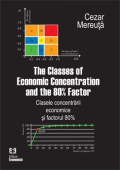
The Classes of Economic Concentration and the 80% Factor , Cezar Mereuță
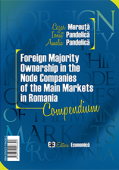
 Foreign Majority Ownership in the Node Companies of the Main Markets in Romania - Compendium , Cezar Mereuță, Ionuț Pandelică, Amalia Pandelică
 Archives
|
 |
||
 |
 |
 |
||
|
2007-2014 © Editura Economică |
||||
 |
|
|
|
|