 |
|||||||||||||||||||
- Open acces -
|
|||||||||||||||||||
|
|||||||||||||||||||
|
|||||||||||||||||||
|
|||||||||||||||||||
|
|||||||||||||||||||
|
|||||||||||||||||||
 |
|
|
|
||||||||||||||||


Framework of successful management of food supply chain networks
in Central and East-European countries
Taras GAGALYUK,
Association Ukrainian Agribusiness Club Jon Henrich HANF, University of Applied Sciences RheinMain
Abstract. The process of transition
in Central and Eastern Europe is
featured by the formation of supply
chain networks in agribusiness.
Involving exchange relationships
among numerous participants of the
food sector, supply chain networks
are particularly important for the
development of the quality aspects.
Effective resolution of such a
strategic issue requires that supply
chain networks are successfully
managed. However, it is not clear up
to now what the success of supply
chain networks actually is. To fill this
gap, we present the model of supply
chain network success. Implications
for food chain management in
Central and Eastern Europe are
discussed.
Keyword: supply chain
management, Central and Eastern
European (CEE) countries, success
model.
|
|||||||||
 |
||||
 |
Conferences
 2012.10.12-13 [ archives ]
Publications
The Classes of Economic Concentration and the 80% Factor , Cezar Mereuță
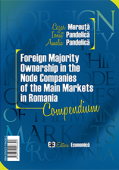
 Foreign Majority Ownership in the Node Companies of the Main Markets in Romania - Compendium , Cezar Mereuță, Ionuț Pandelică, Amalia Pandelică
 Archives
|
 |
||
 |
 |
 |
||
|
2007-2014 © Editura Economică |
||||
 |
|
|
|
|