 |
|||||||||||||||||||
- Open acces -
|
|||||||||||||||||||
|
|||||||||||||||||||
|
|||||||||||||||||||
|
|||||||||||||||||||
|
|||||||||||||||||||
|
|||||||||||||||||||
 |
|
|
|
||||||||||||||||


The analysis of conceptual tools for the study of country of origin effect for hybrid offerings
Abstract. This paper envisages to
analyze theories related to the
study of the Country of Origin
Effect (COE), specifically in
relationship with two types of
products: tangible goods and
services. It starts from the
growing international character
of different types of products and
from the necessity that companies
with international activity to
consider the COE concepts when
deciding on their competitive
advantages. The paper looks at
theories on COE for the so-called
hybrid products, both for tangible
goods and intangible services.
Further, it illustrates the existing
similarities and differences
between the concepts,
emphasizing on corresponding
consequences for international
marketing decisions.
Keyword: country of origin
effect, hybrid products,
international hybrid services
|
|||||||||
 |
||||
 |
Conferences
 2012.10.12-13 [ archives ]
Publications
The Classes of Economic Concentration and the 80% Factor , Cezar Mereuță
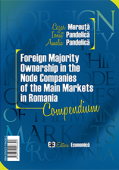
 Foreign Majority Ownership in the Node Companies of the Main Markets in Romania - Compendium , Cezar Mereuță, Ionuț Pandelică, Amalia Pandelică
 Archives
|
 |
||
 |
 |
 |
||
|
2007-2014 © Editura Economică |
||||
 |
|
|
|
|